Nude Beach Overview
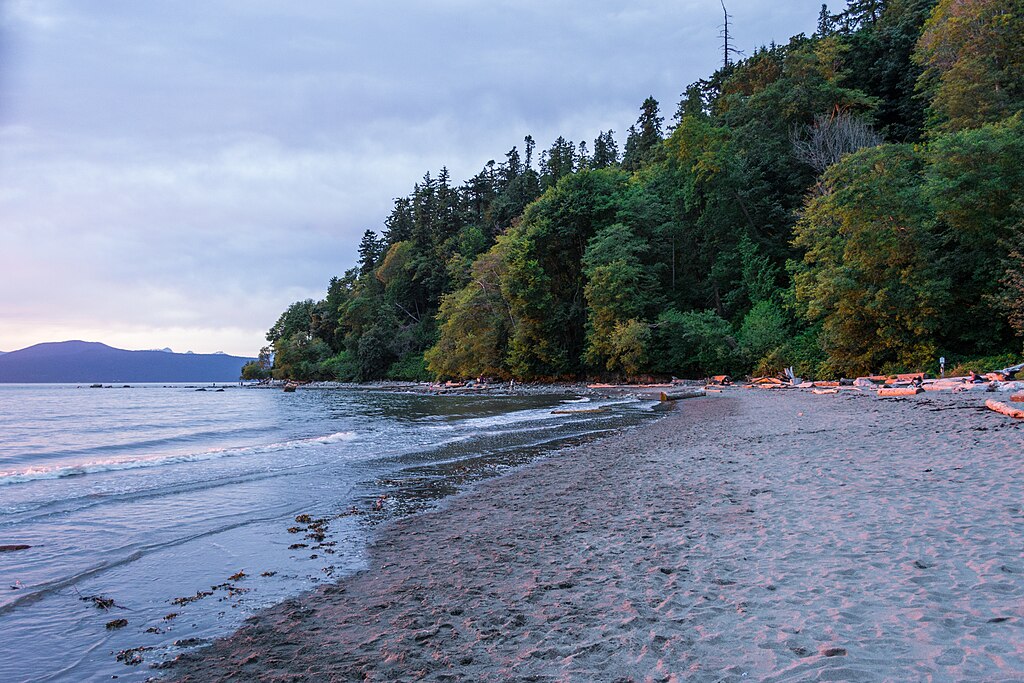
Wreck Beach is at Vancouver’s western edge, where forested cliffs meet the Pacific Ocean.
It officially became clothing-optional in 1991, though people have sunbathed nude there since the 1930s. Two concrete towers from World War II remain at Tower Beach, reminders of military training exercises.
The dark sand warms quickly, and the west-facing shore offers views of sunsets across the Strait of Georgia toward Vancouver Island.
The beach has an active community, especially in summer, when vendors sell food, drinks, jewelry, and clothing. Drum circles often form at sunset on weekends, creating a social, festive atmosphere.
The Wreck Beach Preservation Society has worked since 1977 to protect the area from development. In winter, the beach is quieter, with hikers, fishers, and regular visitors enjoying the peace.
The beach is accessible year-round, but almost 500 wooden stairs make access difficult for some.
Amenities

How to Get There
By public transport: Take the #99 B-Line or #4 bus from downtown Vancouver to UBC Exchange. The journey takes 23-35 minutes.
From the bus stop, walk 15-20 minutes south along University Boulevard, turn west onto Lower Campus Road, and follow signs to Trail 6 at SW Marine Drive.
The trail entrance has clear signage near a parking area.
By car: From downtown Vancouver, take West 4th Avenue westbound (becomes Chancellor Boulevard near UBC), continue on NW Marine Drive. Parking options include paid lots near the Museum of Anthropology (for Trails 3 and 4) or free roadside parking along SW Marine Drive near Trail 6.
Parking fills quickly on summer weekends, so arrive early. Drive time from downtown is 14-25 minutes.
By foot: Walking to the beach from UBC campus takes 15-20 minutes to reach Trail 6. From the trailhead, descend 473-490 wooden steps through forest.
The descent takes 10-15 minutes, but climbing back up requires moderate fitness and can take 20-30 minutes with rest breaks.

Frequently Asked Questions
Is nudity mandatory or optional at this beach? Nudity is completely optional. Wreck Beach has been clothing-optional since 1991, meaning visitors can choose to be nude, partially clothed, or fully clothed. The beach culture welcomes all comfort levels. Signs mark the clothing-optional section, which stretches 6.7 kilometers from Acadia Beach to Booming Grounds Creek. Most regular visitors go nude, but many beachgoers remain clothed, especially first-timers and those visiting during cooler months.
Is this an officially designated nude beach? Yes. Wreck Beach received official recognition as a clothing-optional beach from the Greater Vancouver Regional District on October 30, 1991. This makes it Canada's only legally recognized nudist beach. The designation came after decades of advocacy by the Wreck Beach Preservation Society and community members who protested for the right to use the beach this way.
What's the best time to visit to avoid crowds? Visit on weekdays during non-summer months (September through May) for the quietest experience. During summer, weekday mornings and early afternoons are less crowded than afternoons and evenings. Avoid public holidays like Canada Day (July 1st), May Long Weekend, and August Long Weekend, which bring massive crowds and boats. Winter offers solitude for hikers and beach walkers, though the water is cold and vendors are absent.
Is the beach open year-round or only in certain seasons? The beach opens to the public year-round from 7:00 AM until dusk. Summer (June through August) sees peak activity with vendors, warm weather, and social gatherings. During colder months, the beach becomes a peaceful spot for walking and hiking, with far fewer visitors. Weather conditions in Vancouver make summer the most comfortable time for swimming and sunbathing, with temperatures between 20-22°C.
Is there an entrance fee or parking charge? No entrance fee exists for the beach itself. Parking requires payment if you use UBC campus lots (like Fraser Parkade or West Parkade near the Museum of Anthropology). Free street parking is available along SW Marine Drive near Trail 6, but spaces fill quickly during popular times. Competition for free parking is intense on sunny summer days.
How do I get to the beach—by car, public transport, or foot? All three methods work. Public transport involves taking the #99 B-Line or #4 bus to UBC Exchange, then walking 15-20 minutes to the trailhead. Driving takes 14-25 minutes from downtown Vancouver, with parking available at paid campus lots or free street parking near Trail 6. Walking from UBC campus takes 15-20 minutes to the trailhead. Once at the trailhead, everyone must descend the stairs to reach the beach.
Is the path to the beach easy to walk or does it require hiking? The path requires descending 473-490 wooden steps through forest, which takes 10-15 minutes going down. The descent is manageable for most people with average fitness, though the stairs are steep. The real challenge comes when climbing back up—this can take 20-30 minutes and requires moderate fitness. Many visitors need rest breaks during the ascent. The trail is not wheelchair accessible or suitable for those with mobility limitations.
Is there parking nearby, and how far is it from the beach? Parking areas sit directly at the trailhead along SW Marine Drive. The walk from your car to the top of the stairs is minimal. However, the vertical distance down the stairs to the beach is significant—490 steps. Paid parking lots near the Museum of Anthropology (for Trails 3 and 4) offer alternative access points with similar stair descents. Street parking along SW Marine Drive near Trail 6 is free but limited and highly competitive during peak times.
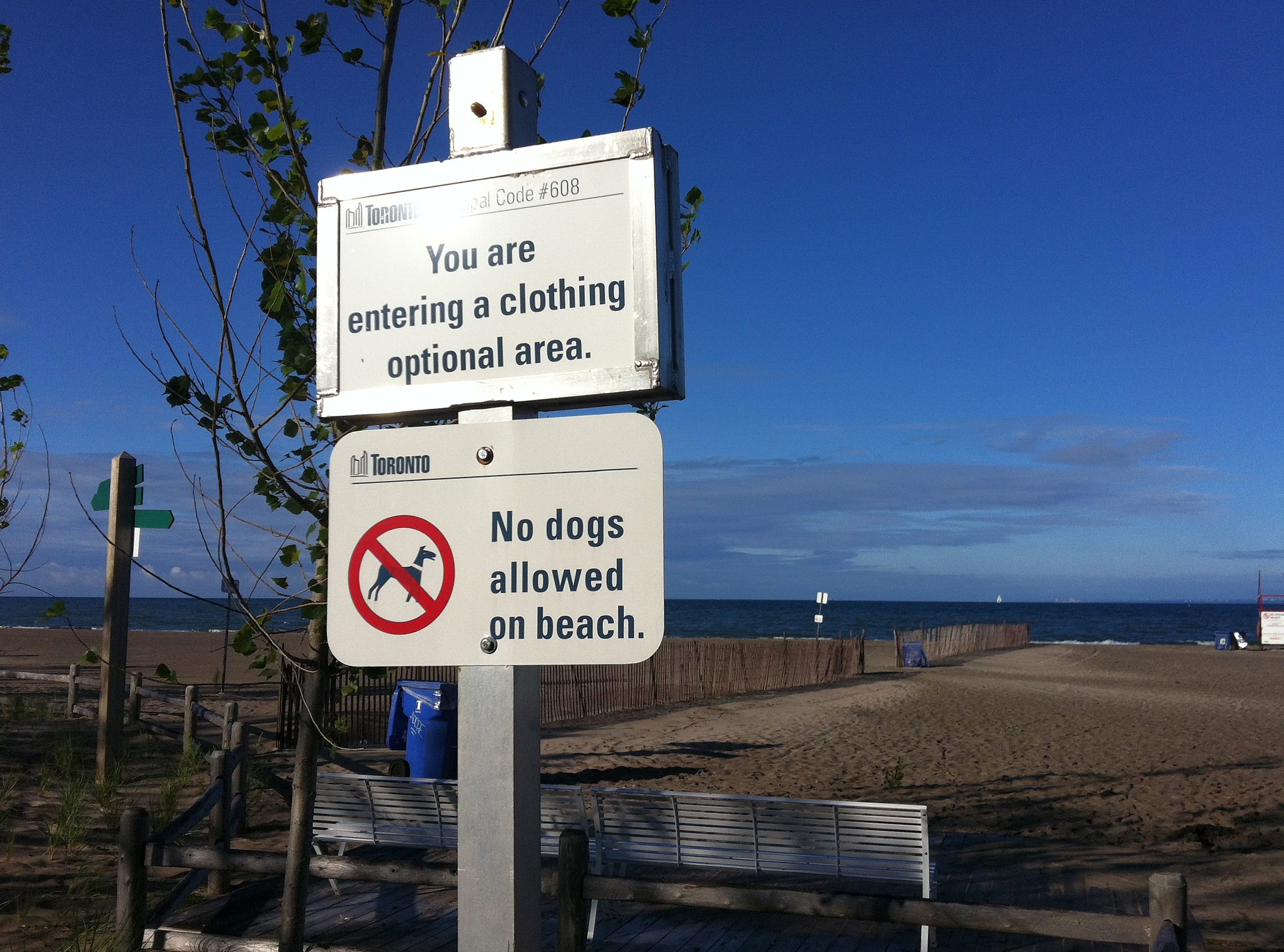
Are there signs indicating the nude area? Yes. Clear signs mark the clothing-optional section approximately two-thirds of the way down Trail 6. Warning signs state that the beach below is clothing-optional. The entire stretch from Acadia Beach to Booming Grounds Creek (6.7 kilometers) is the designated nude area. The main beach at the bottom of Trail 6 is where most nude beachgoers congregate, particularly to the left (south) of the stairs near vendor areas.
Are there public restrooms or showers? Basic portable toilet facilities (outhouses) are available at the base of Trail 6. These are outhouse-style facilities, not modern restrooms. No showers, changing rooms, or running water exist on the beach. Visitors should plan accordingly and bring water. The facilities are minimal, reflecting the beach's natural, undeveloped character. No accessible facilities exist for people with disabilities.
Can I buy food or drinks nearby? Summer brings licensed vendors who sell food and beverages along the beach, primarily near the south end (left of the stairs). Popular vendors include Paradise Grill, Stormin Norman's Grill, and Lucy's Empanadas, offering hot dogs, burgers, Jamaican cuisine, spanakopita, grilled souvlaki, veggie sandwiches, and drinks. Vendors also sell clothing, jewelry, and other items. During off-season months, vendors are absent. Bringing your own food and plenty of water is recommended regardless of season. The UBC campus (a 15-20 minute walk) has restaurants and takeout options.
Are sunbeds or umbrellas available to rent? Some vendors offer umbrella rentals during summer months. No formal sunbed rental service exists. The beach features large logs that serve as natural backrests and seating. These logs are arranged in various configurations across the sand, creating natural zones for different groups. Visitors typically bring their own towels, blankets, and portable chairs. Shade from the logs is limited, so bringing your own sun protection is advisable.
Should I bring my own towel, chair, or sunshade? Yes, bring your own equipment. Pack towels or blankets for sitting on the sand, and consider bringing a portable chair if you want elevated seating. A beach umbrella or pop-up shade structure is recommended, as natural shade is minimal. The cliffs provide some shade in certain spots, but most of the beach receives full sun exposure. Bring plenty of water (no running water available), sunscreen (high SPF for all exposed areas), snacks, and any other supplies you need for several hours.
Can I bring my dog? Dogs are prohibited on Wreck Beach from March 1 to September 30. During winter months (October 1 to February 28/29), dogs are allowed on the beach. This seasonal restriction protects the beach environment during peak usage times. If visiting during winter with a dog, be prepared for the stairs and keep your dog under control.
Is the beach suitable for children and families? The beach attracts people and families of all ages, though the clothing-optional nature may not suit all families. Parents should consider whether their children are comfortable with nudity before visiting. The beach is not formally designated as family-friendly due to minimal facilities (no modern restrooms or lifeguards). The challenging stairs also make access difficult for young children. Many families do visit, but they tend to find spots away from the main crowd if children are uncomfortable with nudity.
Is there shade on the beach or should I bring my own cover? Natural shade is limited. The forested cliffs provide some shade in spots close to the cliff base, but most of the beach receives direct sun exposure. The beach faces west, delivering extended hours of afternoon and evening sun. Bringing your own umbrella, pop-up tent, or shade structure is highly recommended, especially for extended visits. The dark sand absorbs heat, making the beach warmer than other Vancouver beaches but also increasing sun exposure risks.
Is it okay to stay partially clothed or wear a swimsuit? Absolutely. The beach is clothing-optional, not clothing-mandatory. Many visitors remain partially clothed or wear swimsuits, especially first-timers, during cooler weather, or those who simply prefer to. No one will pressure you to undress. The culture is accepting of all choices. Nudity is more common among regular visitors, but clothed beachgoers are welcomed and respected.
Can I take photos or use my phone? Photography without explicit consent is strongly discouraged and considered highly disrespectful. The community self-polices against photography, and people who take photos of others are confronted loudly and publicly. You can use your phone for personal use (texting, calls) but keep the camera pointed away from people. If you want to take scenic photos of the ocean or landscape, be extremely mindful of not capturing people in your frame. Privacy and respect are core values at Wreck Beach.
What's the etiquette around staring or interacting with others? Staring is considered rude. Most beachgoers are naturists, not exhibitionists—they're nude for personal comfort, not for others' entertainment. Maintain normal eye contact during conversations and avoid staring at bodies. Interactions should be friendly but respectful. The beach has a relaxed, social atmosphere, especially near vendor areas where people chat and mingle. However, unwelcome advances, ogling, or creepy behavior will be called out by the community, which self-polices to maintain a safe, comfortable environment.
Can I walk nude outside the beach area (like on the trail or at the café)? No. Nudity is only permitted within the designated clothing-optional beach area, which is below the signage on Trail 6. You must be clothed on the trail, in parking areas, and anywhere on UBC campus. The community is strict about this boundary to maintain the legal status of the beach and respect surrounding areas. Always bring clothes for your walk up and down the trail.
Are lifeguards on duty? No. Wreck Beach has no lifeguard service. Swimmers must exercise caution and swim at their own risk. The community includes experienced beachgoers who watch out for each other, but no official safety personnel are present. Police and park rangers patrol occasionally for safety and enforcement purposes.
Is it safe to swim here? Swimming is popular for cooling off with brief dips. The Pacific Ocean water remains cold year-round, so prolonged swimming far from shore without a wetsuit is not advised. Summer waves are typically small and pose minimal risk to swimmers. Rip currents are not known to be a problem, and advisories are rarely posted. Exercise caution when entering the water to avoid submerged rocks. Avoid jellyfish if present. Small boats may anchor close to shore, so watch for them while swimming. Water quality is generally good, though occasional bacteria advisories are issued. Wreck Beach typically has lower bacteria counts than many Vancouver beaches.
Are there any dangerous sea creatures or sharp rocks? Jellyfish should be avoided as a precaution, though adverse interactions with marine wildlife are unlikely. Watch for submerged rocks when diving or jumping into the water. The beach itself is sandy with few rocky areas, making it one of the few naturally sandy beaches in Vancouver. Sea lions, herons, kingfishers, and bald eagles inhabit the area but pose no danger to beachgoers. Small pleasure boats anchoring near shore present a potential collision risk for swimmers.
Can I camp overnight or stay nearby? Camping and overnight stays are prohibited on Wreck Beach. The beach closes at dusk. Nearby accommodations include the Pacific Spirit Hostel on UBC campus, offering budget-friendly rooms with shared facilities. For more comprehensive hotel options, explore downtown Vancouver or UBC campus area hotels. Most visitors treat Wreck Beach as a day trip destination.
Is it safe to leave my belongings unattended? Exercise normal beach caution with valuables. While the community culture includes looking out for each other, theft can occur. Keep valuables secured and out of sight. Many visitors take turns watching belongings when swimming. The beach attracts thousands during peak times, making it difficult to monitor possessions constantly. Bring only what you need and leave expensive items at home or locked in your vehicle.
What's the general vibe—quiet and relaxed, or social and active? The vibe varies by time and season. Weekdays and off-season months offer a quiet, relaxed atmosphere perfect for contemplation and nature appreciation. Summer weekends bring a more social, active scene with drum circles at sunset (especially Saturdays and Sundays), music, vendors, and larger crowds. The beach has a bohemian, free-spirited atmosphere year-round, with a strong sense of community among regular visitors. Evening sunsets create particularly vibrant, festive moods during summer.
Are there regular visitors or local naturist groups? Yes. A dedicated community of "Wreck Beach lifers" visits regularly and maintains the beach's culture and safety. The Wreck Beach Preservation Society has advocated for the beach since 1977. Regular visitors organize beach cleanups and self-police against inappropriate behavior. The community includes vendors who return each summer, creating continuity. Annual events include photo shoots, Bare Buns Run, and Wreck Beach Day celebrations. This sense of community distinguishes Wreck Beach from other Vancouver beaches.
Are single visitors welcome? Absolutely. Single visitors of all genders are welcomed. The beach attracts diverse crowds including singles, couples, families, students, and groups of friends. However, anyone behaving inappropriately or making others uncomfortable will be confronted by the community. The atmosphere is accepting and non-judgmental for those who respect others' space and privacy.
Is the beach LGBTQ+ friendly? Yes. Wreck Beach is very LGBTQ+ friendly and often serves as an unofficial afterparty location for Pride weekend (late July). The beach attracts diverse crowds and maintains an inclusive, accepting atmosphere. Different sections of the beach have historically been gathering spots for various communities, creating a welcoming environment for all visitors.
Are there any events, meetups, or activities held here? Annual events include the Polar Bear Swim on January 1st, Bare Buns Run, photo shoots, and Wreck Beach Day. Drum circles form naturally on summer weekend evenings at sunset, creating spontaneous gatherings with music and dancing. Beach cleanups organized by regular visitors happen throughout the year. Summer weekends feature live music performances and impromptu celebrations. The vendor area becomes a social hub during peak season. Winter brings quieter activities like hiking and smelt fishing.